

คลินิกรักษาสิว โดยแพทย์โรคผิวหนังโดยเฉพาะ
คลินิกรักษาสิว โดยแพทย์โรคผิวหนังโดยเฉพาะ
Persistent Cheek Acne: Causes, Treatment, and Prevention
- วันที่อัพเดท: April 28, 2026
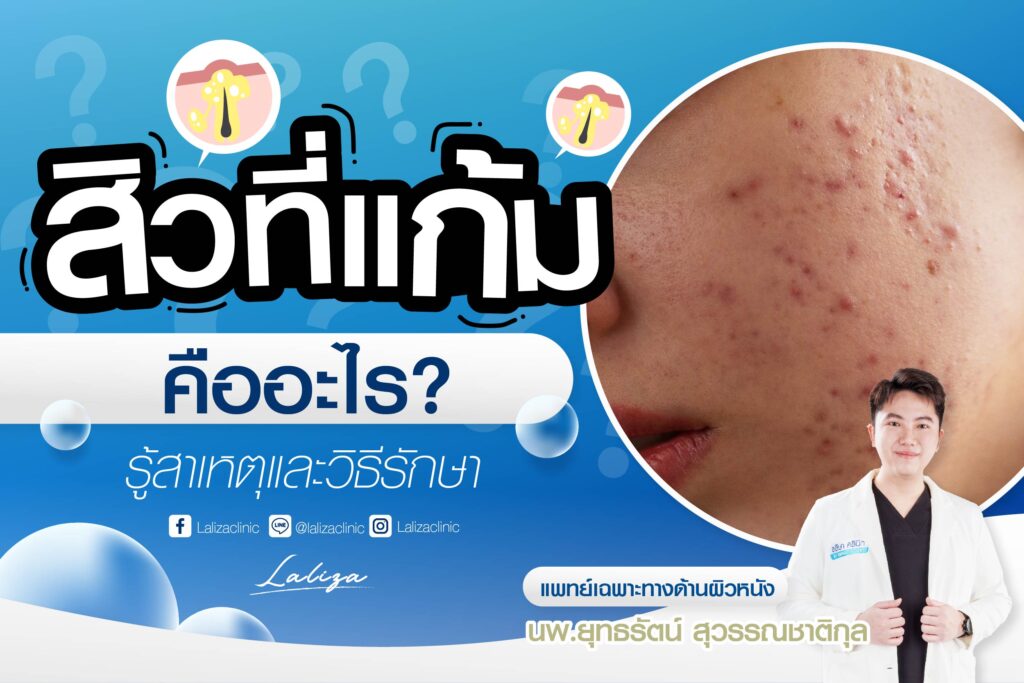
What Is Cheek Acne?
Cheek acne is a common skin concern that can affect both teenagers and adults. It has become especially prevalent in recent years, particularly due to prolonged mask-wearing. Many dermatologists have observed an increase in cases linked to this factor. This article aims to provide a comprehensive understanding of the characteristics, causes, treatment options, and preventive measures for cheek acne, along with answers to frequently asked questions to help you manage your skin more effectively.
Types and Characteristics of Cheek Acne
Before addressing treatment, it is important to understand the different types of acne that can appear on the cheeks. Acne can be broadly classified into two main categories: non-inflammatory and inflammatory acne. Both types can occur on the cheeks.
Non-inflammatory acne (Comedonal Acne) This type results from clogged pores and includes:
- Blackheads
- Whiteheads
Inflammatory acne (Inflammatory Acne) this form involves inflammation and is often painful. It includes:
- Papules (small red bumps)
- Pustules (pus-filled lesions)
- Nodules (large, deep, and often painful lumps)
What Causes Cheek Acne?
Cheek acne is typically caused by a combination of factors. Some are intrinsic, such as genetics, which may lead to increased oil production. Hormonal fluctuations especially during adolescence, menstruation, or certain medical conditions also play a significant role. However, many contributing factors are manageable. Below are the key triggers:
- Hormonal Changes
Fluctuations in hormone levels can stimulate excess sebum production, increasing the likelihood of acne. - Food
High-glycemic foods and dairy products have been associated with acne development. - Skin Irritation
Using unsuitable skincare or cosmetic products can irritate the skin and clog pores. Environmental pollutants and dust also contribute. - Contact with Contaminated Surfaces
Everyday items such as mobile phones, makeup brushes, pillowcases, and towels can harbor bacteria that transfer to the skin. - Lifestyle Factors
Stress, lack of sleep, and poor overall health can disrupt hormonal balance and worsen acne. - Mask-Related Acne (Maskne)
Wearing face masks especially tight-fitting types like N95 for extended periods can trap heat, sweat, and moisture. This creates an ideal environment for clogged pores and bacterial growth. Additionally, friction and pressure from the mask can trigger inflammation and increase the risk of breakouts.
How to Prevent Cheek Acne
Effective prevention requires consistent skincare and healthy lifestyle habits:
- Cleanse your face regularly. Use a gentle cleanser suitable for your skin type twice daily. Double cleansing can help remove makeup, dirt, and pollutants more thoroughly.
- Avoid touching your face. Hands can transfer bacteria and oil, leading to irritation and breakouts.
- Choose suitable skincare and cosmetics. Opt for non-comedogenic and non-irritating products.
- Replace face masks regularly. Change masks when they become damp or dirty, and choose breathable materials to reduce bacterial buildup.
- Clean makeup tools frequently. Wash brushes and applicators regularly to prevent bacterial accumulation.
- Change pillowcases often. This helps minimize contact with dirt and oil that can trigger acne.
- Maintain a balanced diet. Drink plenty of water and limit high-glycemic foods. Such foods may increase IGF-1 levels, which stimulate oil production and contribute to acne formation.
- Exercise regularly. Physical activity supports overall health and hormonal balance.
- Get enough sleep and manage stress. Adequate rest and stress reduction are essential for maintaining hormonal equilibrium and preventing acne.
Common Treatments for Cheek Acne
In addition to prevention, those who are currently experiencing cheek acne and wish to begin treatment can start with self-care methods or seek professional medical advice, as outlined below.
1. Non-Medicated Treatments
- Avoid wearing makeup. Minimizing makeup use can reduce exposure to potentially irritating ingredients such as fragrances and parabens, which may contribute to skin irritation and clogged pores.
- Change face masks regularly. Frequent replacement of masks helps prevent the buildup of bacteria and impurities.
- Use acne-fighting skincare products. Incorporate products containing active ingredients such as AHA, BHA, and retinol, which help reduce the likelihood of breakouts and accelerate the healing process.
- Apply acne patches. Hydrocolloid acne patches are designed to absorb excess fluid from pimples, helping to reduce inflammation and promote faster drying and healing.
2. Medical Treatments for Cheek Acne
For moderate to severe or persistent acne, a combination of topical and oral medications is often required.
Topical Medications
- Retinoids Derived from vitamin A, retinoids work by promoting skin cell turnover, reducing oil buildup within sebaceous glands, and effectively clearing microcomedones. They are considered a first-line treatment for acne. Recommendations include:
- 1.Apply a small amount (pea-sized) evenly across the face at night
- 2.Start with a low concentration and gradually increase usage to minimize irritation
- 3.Use a moisturizer with sun protection to reduce photosensitivity
- Benzoyl Peroxide
This ingredient works by destroying the cell walls of C. acnes bacteria. It helps treat whiteheads, reduce inflammation, and prevent antibiotic resistance. Usage tips:
1.Begin with a low concentration to reduce irritation
2.Apply a moisturizer afterward to prevent dryness
3.Use sparingly and avoid contact with clothing and hair - Salicylic Acid. Effective for treating comedonal acne, salicylic acid helps unclog pores. It is available in concentrations ranging from 0.5% to 2%, in both leave-on and rinse-off formulations.
- Topical Antibiotics. Used to eliminate bacteria and reduce inflammation. However, research suggests that for mild to moderate acne, they may not significantly accelerate recovery.
Oral treatments may include antibiotics, hormonal therapies such as oral contraceptives or anti-androgens, and isotretinoin for severe cases. These medications should always be prescribed and monitored by a qualified healthcare professional, as treatment plans must be tailored to each individual for safety and effectiveness.
3. Professional Treatments
If general care and topical treatments do not effectively resolve cheek acne, it is advisable to consult a medical professional. A personalized treatment plan may be recommended, often combining multiple approaches such as:
- Chemical peels and facial treatments. These help reduce pore congestion, remove dead skin cells, and minimize acne formation.
- Corticosteroid injections. This involves injecting corticosteroids directly into acne lesions or beneath the skin to reduce inflammation and accelerate healing. It is particularly suitable for large inflammatory acne and cystic acne.
- Comedone extraction. For clogged pores, specialized tools can be used to open the pore and safely extract the contents.
- Photodynamic Therapy (PDT) and laser treatments. Procedures such as Dual Yellow Laser are supported by clinical evidence for reducing inflammatory acne. These treatments help eliminate acne-causing bacteria, reduce inflammation, and improve post-acne redness.
- Mesotherapy injections. Used to help rejuvenate and repair the skin.
Frequently Asked Questions About Cheek Acne
Can I wear makeup if I have cheek acne?
It is generally recommended to avoid makeup during acne treatment, as certain ingredients may clog pores and cause irritation, potentially worsening inflammation. Allowing the skin to rest can significantly improve treatment outcomes.
Why does cheek acne keep coming back?
Some types of cheek acne may recur even after treatment. This is often because the chosen method does not fully address the underlying cause, and a combination of treatments may be necessary. For long-term resolution, consulting a dermatologist is recommended to identify the root cause and determine the most appropriate treatment plan.
Why does cheek acne feel itchy?
Itchiness associated with cheek acne is often caused by clogged pores combined with hot or humid weather, which can lead to irritation. It is important to avoid scratching, as this can worsen inflammation. Instead, use appropriate topical treatments to manage the condition.
Conclusion
Cheek acne can result from multiple factors but is largely preventable through proper hygiene and a healthy lifestyle. While it is not typically a serious condition, appropriate treatment is essential to prevent recurrence and complications such as post-acne dark spots. If general care does not lead to improvement, seeking professional medical advice is recommended to address the root cause effectively and achieve long-term skin health.